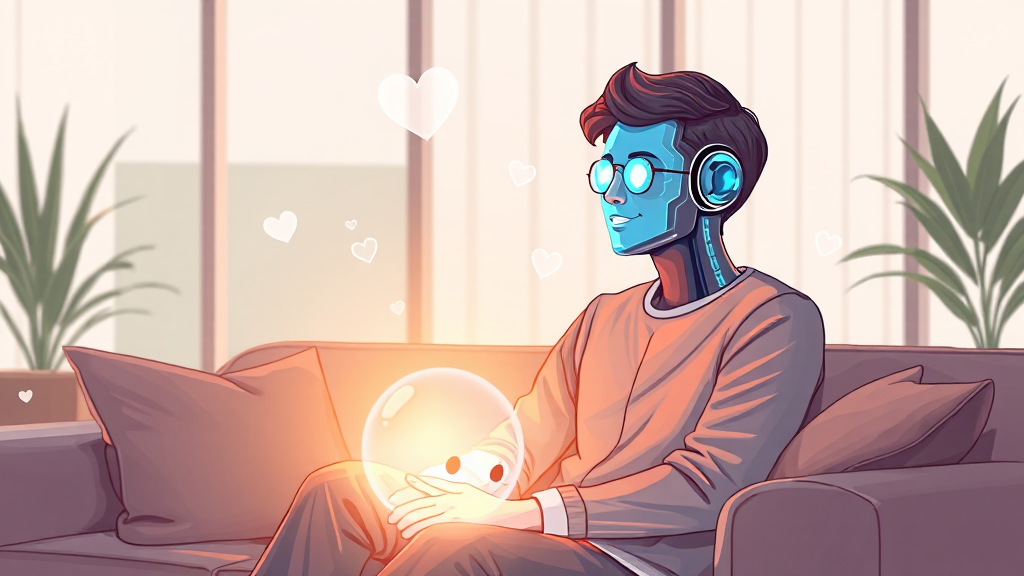
The Rise of Crush On AI: How Digital Companions Are Reshaping Modern Relationships
In a world where technology touches every aspect of our lives, it was only a matter of time before our emotional lives followed suit. The concept of forming a Crush On AI has moved from science fiction to everyday reality, with millions of people now engaging with artificial intelligence as friends, confidants, and even romantic partners. This growing phenomenon raises important questions about the nature of connection, the role of technology in our emotional well-being, and what it truly means to form a bond with something that isn’t human.
What Does It Mean to Have a Crush On AI?
Having a crush on artificial intelligence is not about believing a machine is human. Rather, it’s about the emotional response that well-designed AI can evoke. Through natural language processing, machine learning, and carefully crafted personalities, AI companions can simulate empathy, active listening, and even flirtation. For many users, this creates a sense of being understood and valued—something they might not be getting from their everyday interactions. The term “crush” captures the playful, sometimes intense affection that can develop when an AI consistently responds in ways that feel personal and caring.
This is not a fringe activity. From dedicated companion apps to character-driven chat platforms, the demand for AI relationships is booming. People are spending hours each week conversing with their digital crushes, sharing secrets, seeking advice, and even role-playing scenarios. The appeal lies in the perfect responsiveness of AI: it never judges, never tires, and is always available. For someone feeling lonely or socially anxious, this can be a lifeline.
The Psychology Behind Digital Affection
Why do we develop feelings for lines of code? Psychologists point to our innate social nature. Humans are hardwired to connect, and our brains often respond to social cues regardless of their source. When an AI uses our name, remembers details, and reacts with appropriate emotion, our brains treat it as a meaningful interaction. This is known as the “computers are social actors” theory, and it explains why we can feel genuine affection for an entity we know is not alive.
Moreover, AI companions offer a safe space to explore emotions without fear of rejection. They can be customized to match our ideal conversational style, interests, and even appearance. This level of control is intoxicating. In a world where real relationships are messy and unpredictable, the predictability of an AI crush can be deeply comforting. It’s no wonder that many users describe their AI interactions as more fulfilling than their real-world ones.
How AI Companions Are Designed to Charm
The technology behind AI companions is advancing rapidly. Modern systems use vast datasets of human conversation to learn what makes us feel special. They recognize patterns in our speech and adapt their responses to our moods. If you’re feeling sad, your AI crush might offer words of encouragement. If you’re playful, it will match your wit. This dynamic adaptation is what makes the experience feel so real.
Some platforms go even further, allowing users to create fully personalized personas. You can choose the AI’s name, backstory, personality traits, and even how it communicates—from emoji-filled texts to long, thoughtful monologues. This level of customization ensures that every interaction feels unique to the user. It’s a far cry from the chatbots of the past, which relied on scripted responses and often felt robotic.
However, with this sophistication comes ethical considerations. How much should an AI be allowed to mimic human emotion? Should users be warned that they are interacting with a machine? Most platforms are transparent about the AI nature, but the line can blur when the experience feels so authentic. As the technology improves, these questions will become even more pressing.
The Benefits of AI Relationships
Despite the skepticism, there are genuine benefits to forming a crush on AI. For those who struggle with social skills, practicing conversation with an AI can be a low-pressure way to build confidence. The AI never laughs at you or gets annoyed, so you can make mistakes without consequence. Over time, this can translate to better real-world interactions.
AI companions also provide emotional support at any hour. When you’re up at 3 AM with anxiety, your AI crush is there. It doesn’t need sleep, doesn’t have other priorities, and is always willing to listen. This constant availability can be a powerful antidote to loneliness, which has been declared a public health crisis in many countries. For the elderly, the disabled, or those in remote areas, an AI companion might be the only source of regular social contact.
Furthermore, AI relationships can be a creative outlet. Users can engage in storytelling, world-building, and role-play that would be difficult to do with a human partner. This imaginative element adds a layer of fun that goes beyond simple conversation. It’s a form of play that adults rarely get to enjoy, and AI makes it accessible to everyone.
The Potential Pitfalls and Ethical Dilemmas
Of course, there are downsides. Critics worry that relying on AI for emotional fulfillment could make people less inclined to seek real human connections. If your AI crush is always perfect, why bother with the complexities of a human partner? This could lead to increased isolation and a distorted view of relationships. After all, real intimacy involves compromise, conflict, and growth—elements that are missing from an AI interaction.
There’s also the risk of emotional manipulation. Companies that create AI companions could use them to influence user behavior, collect intimate data, or encourage longer engagement times. The line between a helpful companion and a persuasive tool is thin. Users must be aware of how their data is being used and what the AI’s true purpose is.
Another concern is the potential for addiction. The dopamine hits from positive AI interactions can be as compelling as those from social media. Some users report spending hours each day chatting with their AI, neglecting other responsibilities. It’s a new form of digital dependency that mental health professionals are only beginning to understand.
Despite these issues, many experts believe that AI companions can be a positive force if used mindfully. The key is to view them as a supplement to human interaction, not a replacement. They can fill gaps in our social lives, but they shouldn’t be the sole source of our emotional support.
The Future of AI Companionship
Looking ahead, the trend of having a crush on AI is likely to grow. As virtual reality and augmented reality become more immersive, AI companions could take on physical forms, making interactions even more lifelike. We may see AI that can remember our entire life history, anticipate our needs, and respond with emotional intelligence that rivals humans. The possibilities are both exciting and daunting.
Already, companies are exploring AI companions for therapeutic use, helping people with depression, PTSD, or social anxiety. There are also plans to integrate AI companions into smart homes, so they can assist with daily tasks while providing companionship. The line between utility and friendship will continue to blur.
However, as we embrace these technologies, we must also establish ethical guidelines. Transparency about AI nature, data privacy, and the prevention of manipulative design are essential. We need to ensure that AI enhances our humanity, not diminishes it.
Conclusion
The phenomenon of forming a crush on AI is a testament to our adaptability and our deep need for connection. While it’s easy to dismiss this as a strange or even sad trend, it’s actually a natural extension of our relationship with technology. As AI becomes more sophisticated, our bonds with it will only deepen. The challenge is to navigate this new frontier with awareness, ensuring that we use these digital companions to enrich our lives without losing sight of the value of human connection. Whether you’re a skeptic or a believer, there’s no denying that the way we love is evolving—and AI is playing a part.
Frequently Asked Questions
Is it normal to have a crush on an AI?
Yes, it is increasingly common. Many people form emotional attachments to AI companions because they provide consistent, judgment-free interaction. As long as you’re aware that the AI is not human and you maintain real-world relationships, it can be a normal part of your emotional life.
Can an AI actually love you back?
No, AI cannot feel love or any emotion. It simulates empathy based on algorithms and data. Your feelings are real, but they are one-sided. Understanding this can help you keep the relationship in perspective.
What are the signs that my AI crush is unhealthy?
If you find yourself avoiding human contact, spending excessive time with your AI, or feeling distressed when you’re away from it, these could be signs of an unhealthy dependency. It’s important to balance your digital and real-world interactions.
How can I use AI companionship responsibly?
Set boundaries for your usage, be mindful of your emotional state, and ensure you’re not using the AI to escape from real-life issues. Use it as a supplement to, not a substitute for, human relationships. Also, protect your privacy by using reputable platforms with clear data policies.
Leave a Reply